April 30, 2026
Selecting the right material for a home renovation is a significant decision that impacts both the daily utility and the long-term value of a residence. Granite provides a timeless quality that adapts to changing design styles, from the rustic charm of a country cottage to the sleek lines of a modern penthouse. Choosing kitchen countertops involves evaluating factors such as heat resistance, porosity, and the unique patterns found in every slab.
Examine Natural Stone Properties
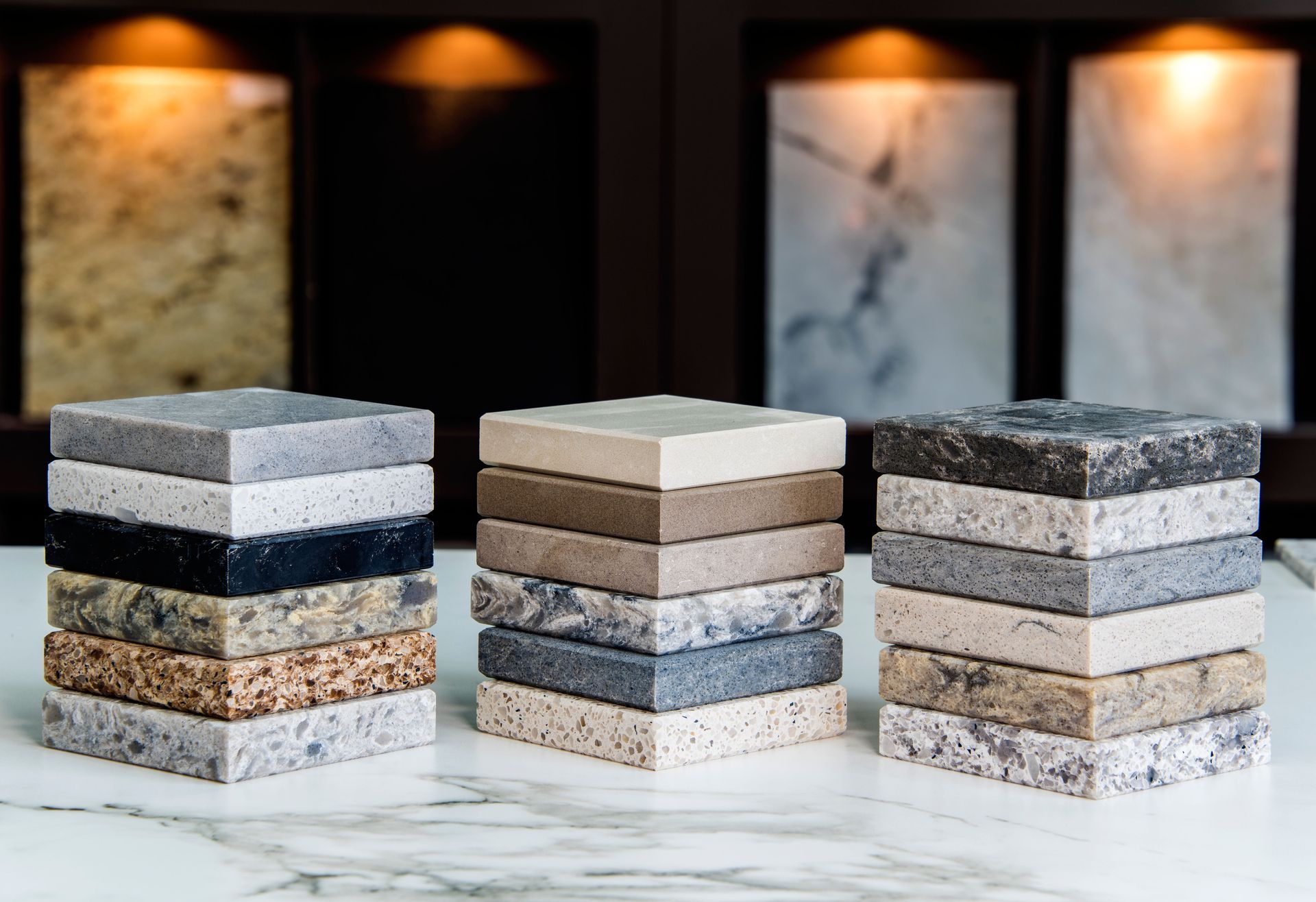
Granite is a result of incredible geological forces, forming from the slow crystallization of molten magma deep beneath the Earth's surface over millions of years. This prolonged cooling process creates a dense, granular structure primarily composed of quartz, feldspar, and various trace minerals like mica and amphibole. These specific minerals are what give the stone its signature hardness and its wide spectrum of colors. Because it is a natural product of the earth, every slab possesses a unique fingerprint.
Comparing this stone to other natural options like marble or quartzite reveals why it is so frequently chosen for high-traffic kitchen countertops. While marble is celebrated for its elegance and classic white veining, it is a softer, more porous metamorphic rock that is highly susceptible to scratching and chemical etching from acidic substances. Quartzite is another popular alternative that offers similar durability to granite, yet it often comes with a much higher price tag and a more limited color palette.
Evaluate Durability and Aesthetics
The primary reason many people favor this stone is its legendary resilience within a demanding environment. In a space where sharp knives, heavy pots, and high temperatures are the norm, a surface must be able to withstand significant stress without showing signs of wear. Granite is exceptionally difficult to scratch and can handle the heat of a pan taken directly from the stove, which provides a level of functionality that laminate or wood simply cannot provide. This physical toughness ensures that the surface remains as beautiful as the day it was installed, even after years of heavy use.
Market demand for this material remains consistently high due to its reputation as a premium upgrade that significantly boosts a property's resale value. Potential buyers often view the presence of high-quality stone surfaces as a sign of a well-maintained and upscale home. This widespread preference is backed by industry data regarding how the stone is utilized across the country. For instance, according to Stone World, 38% of the global granite supply used in 2024 was allocated for kitchen countertops. This figure illustrates that despite the rise of engineered alternatives, natural granite continues to hold a massive share of the market.
Consider Practical Maintenance Needs
While the stone is incredibly tough, it does require a specific care routine to maintain its luster and protect it from potential damage. Because it is a natural, porous material, it contains microscopic pores that can absorb liquids if left untreated. To mitigate this, a high-quality impregnating sealer must be applied to the surface. This sealer acts as a barrier, preventing oils, juices, and wine from seeping into the stone and causing permanent discoloration. Most experts recommend a simple annual resealing process, which is a straightforward task that homeowners can easily perform themselves. Keeping up with this minor maintenance ensures that kitchen countertops remain hygienic and resistant to the stains that can occur during the rigors of daily meal preparation.
Day-to-day cleaning is remarkably simple and does not require expensive or harsh chemicals. In fact, using abrasive cleaners or acidic substances like vinegar and lemon juice can actually strip the sealer and dull the polished finish of the stone over time. A soft cloth paired with mild dish soap and warm water is typically all that is needed to keep the surface looking pristine. For those who want to maintain a mirror-like shine, specialized stone polishes are available that enhance the natural glow of the minerals without leaving a waxy buildup.
Appreciate Material Sustainability and Longevity
When considering the environmental implications of stone selection, both the sourcing and the lifecycle of the material require attention. Mining granite involves extracting large blocks from quarries, which has ecological implications that are carefully managed in modern operations. However, granite is a purely natural product that does not require the intensive chemical manufacturing processes associated with synthetic alternatives. Once installed as kitchen countertops, granite offers a long lifespan that far exceeds that of engineered products.
The natural formation of the rock means it does not emit harmful volatile organic compounds into the home, contributing to better indoor air quality. Because it is a single-ingredient material created by geological processes, it is inherently more sustainable than products held together by petroleum-based resins. When a granite surface finally reaches the end of its functional life in a specific home, it is entirely recyclable and can be crushed for use in construction or landscaping.
Address Potential Installation Drawbacks
Despite the numerous benefits, there are several practical challenges associated with the installation and use of natural stone. One of the most common concerns for homeowners is the visibility of seams, especially in large or L-shaped layouts. Because natural stone is harvested in slabs of a specific size, it is often impossible to cover a large area with a single piece. While skilled fabricators are excellent at matching patterns and using color-matched epoxy to join the pieces, the seams will still be present. Moreover, the extreme weight of the slabs requires a very sturdy cabinet base for support. If the existing cabinetry is old or poorly constructed, it may need to be reinforced or replaced before the new kitchen countertops can be safely installed.
Another factor to consider is the limited repairability of the material once it has been damaged. Although it is very difficult to chip or crack granite, it is not impossible, particularly around the edges of a sink or on sharp corners. Because the patterns in the stone are created by nature, it is nearly impossible to patch a chip in a way that is completely invisible. The repair might be structurally sound, but the visual break in the natural pattern will usually remain.
Select the Best Design Choice
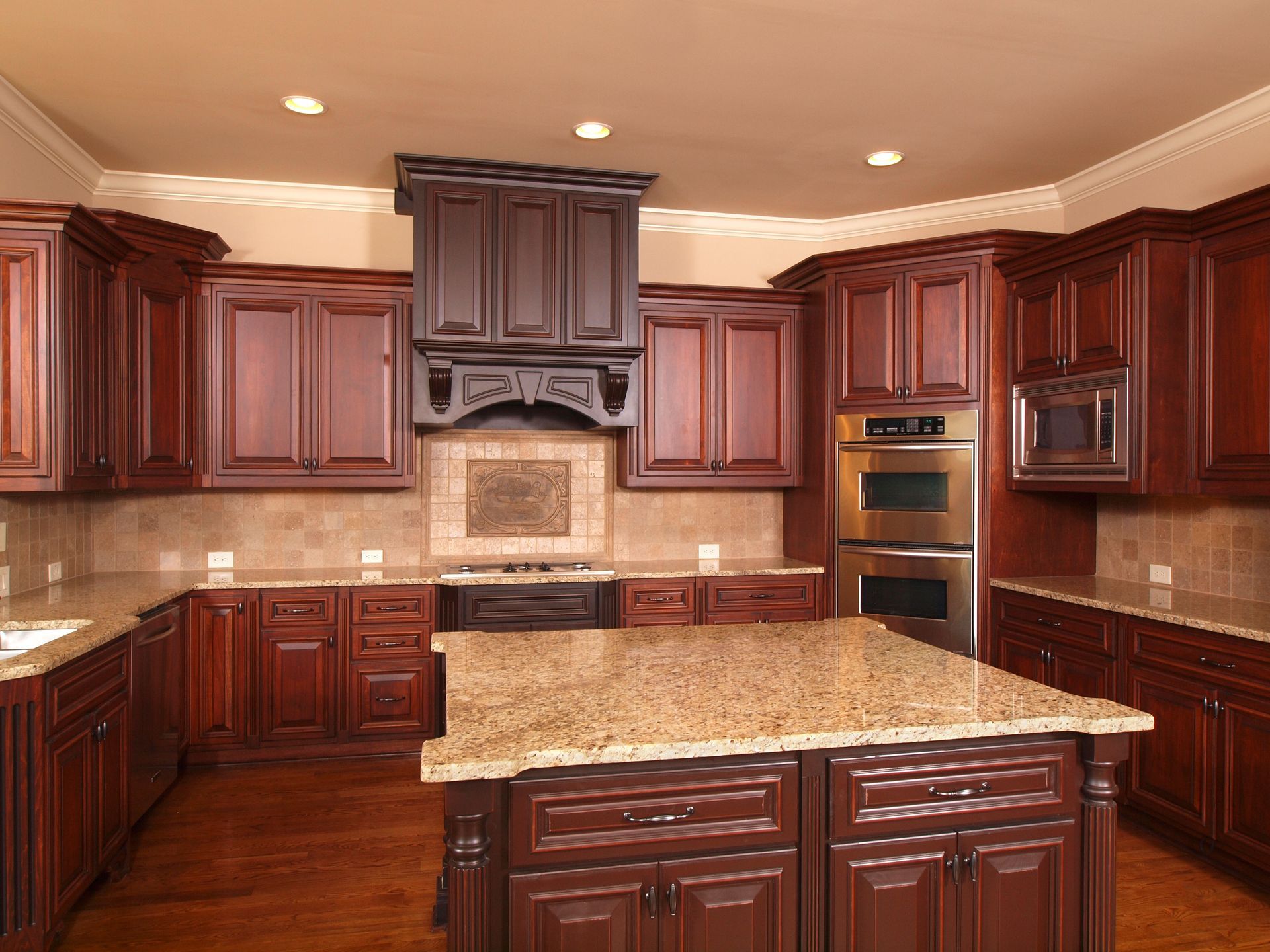
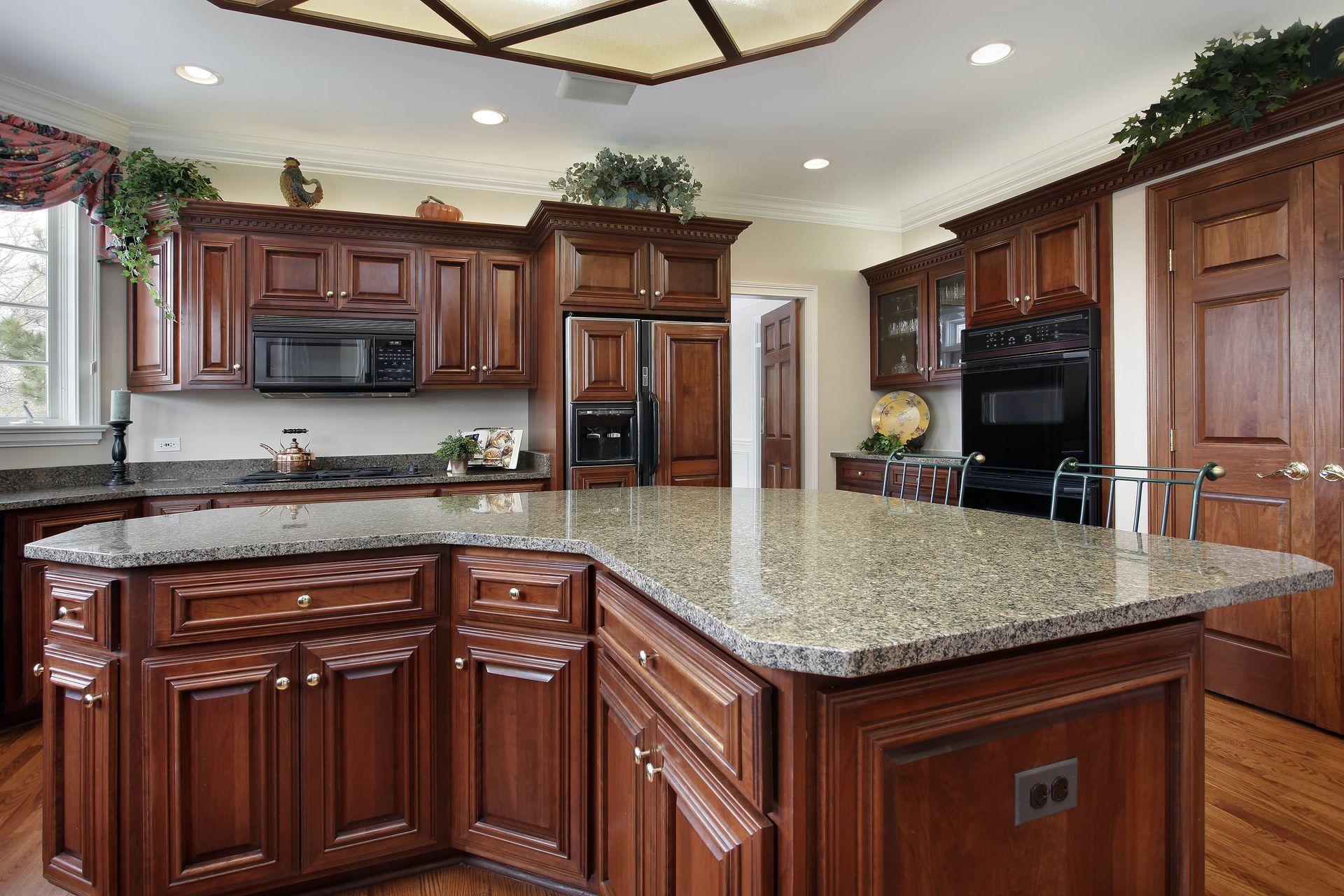
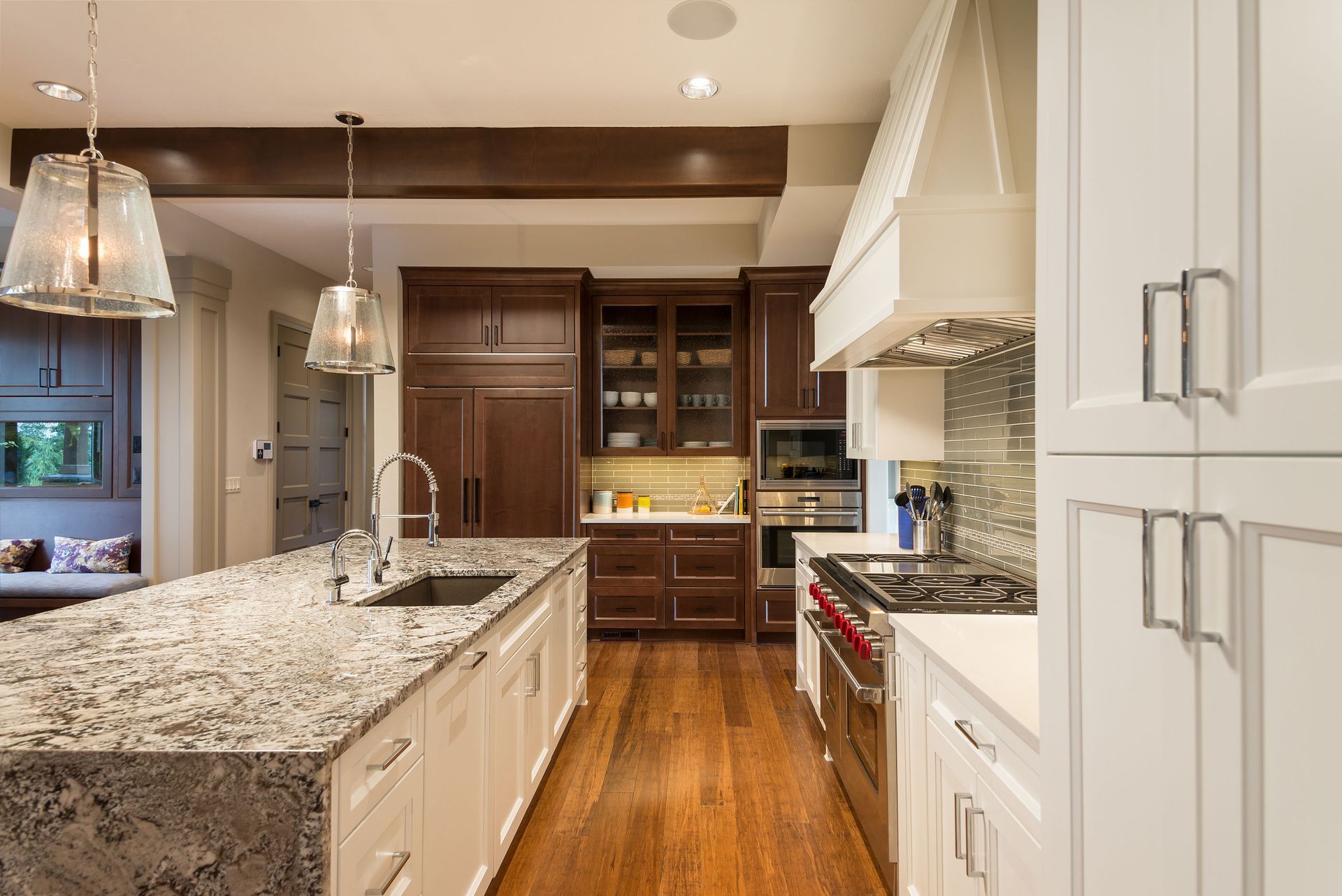
Deciding on the perfect material comes down to how well it aligns with your personal style and your household's daily habits. Granite is an ideal choice for those who appreciate the "perfectly imperfect" nature of the Earth's creations. If you enjoy a surface where every inch tells a different story through its shifting colors and mineral deposits, then this stone will provide endless satisfaction. It works beautifully in traditional kitchens when paired with ornate wood cabinetry, but it can also provide a stunning contrast in a minimalist, modern space when selected in a solid or subtly speckled tone.
Consider your lifestyle needs as well as your design preferences. For families with young children or individuals who love to entertain, the ruggedness of the material provides peace of mind that the surface can handle spills and heavy use. The resale implications are also a major factor; a kitchen featuring high-quality kitchen countertops is almost always more attractive to potential buyers than one with outdated surfaces.
Deciding on a new surface is an exciting step in transforming your living space into a place of beauty and efficiency. We are dedicated to helping you navigate every step of the process, from selecting the perfect slab to ensuring a flawless installation. Contact us at Unique Granite & Marble to find the ideal kitchen countertops for your home.